
Skip to content

Blog

Terraform Workspaces Are Not Environments — BigConfig Makes It a Non-Issue
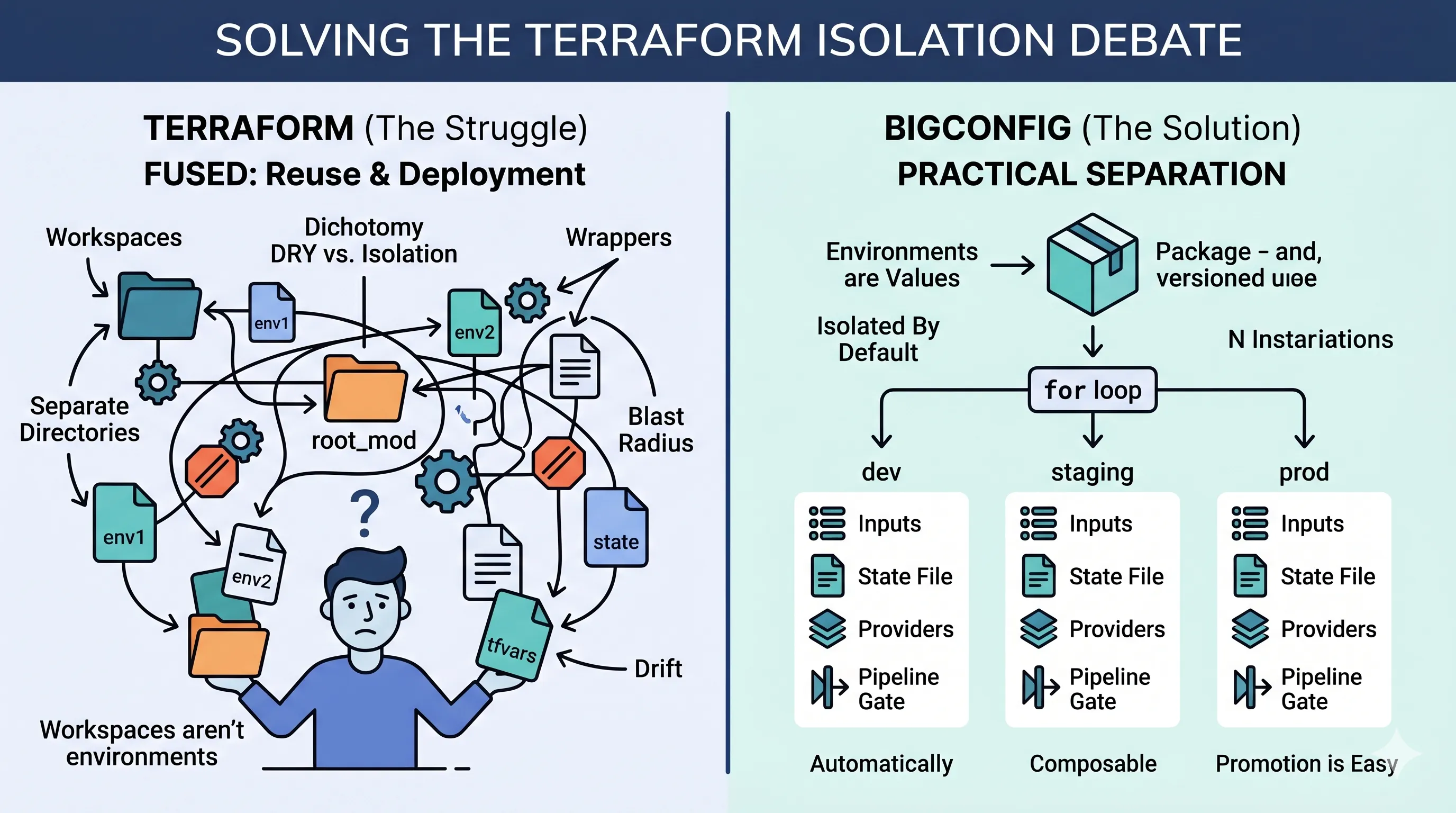

Workspaces are not environments

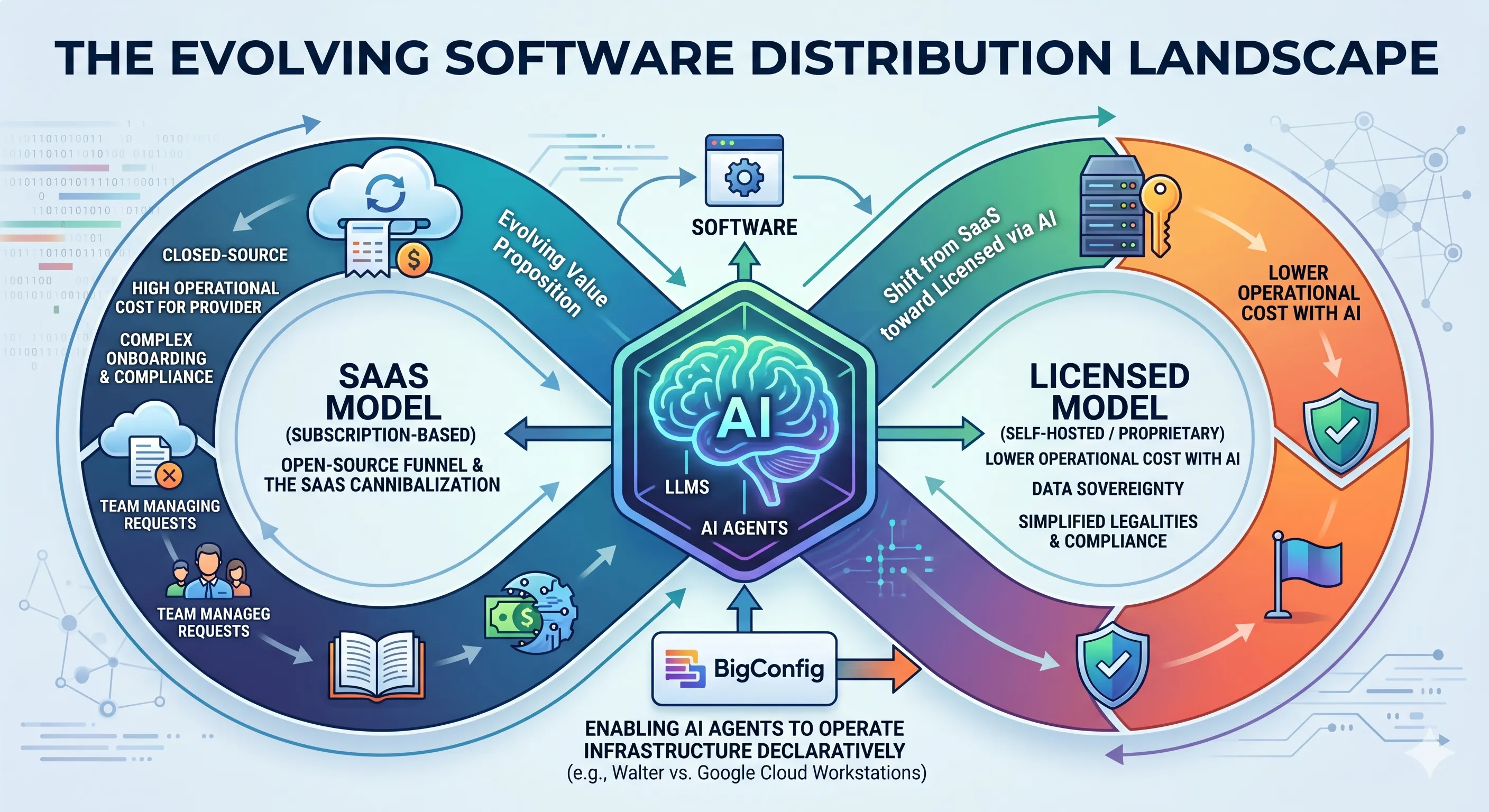
A recurring LinkedIn debate: should you use Terraform workspaces, separate root modules, or copy-pasted folders to isolate environments? Every answer is a tradeoff between WET code, sprawl, and blast radius. This post argues the debate itself is the symptom — Terraform fuses its unit of reuse (the module) with its unit of deployment (the root module + state). BigConfig separates them, treating environments as values passed to packages, and the whole class of problem disappears.
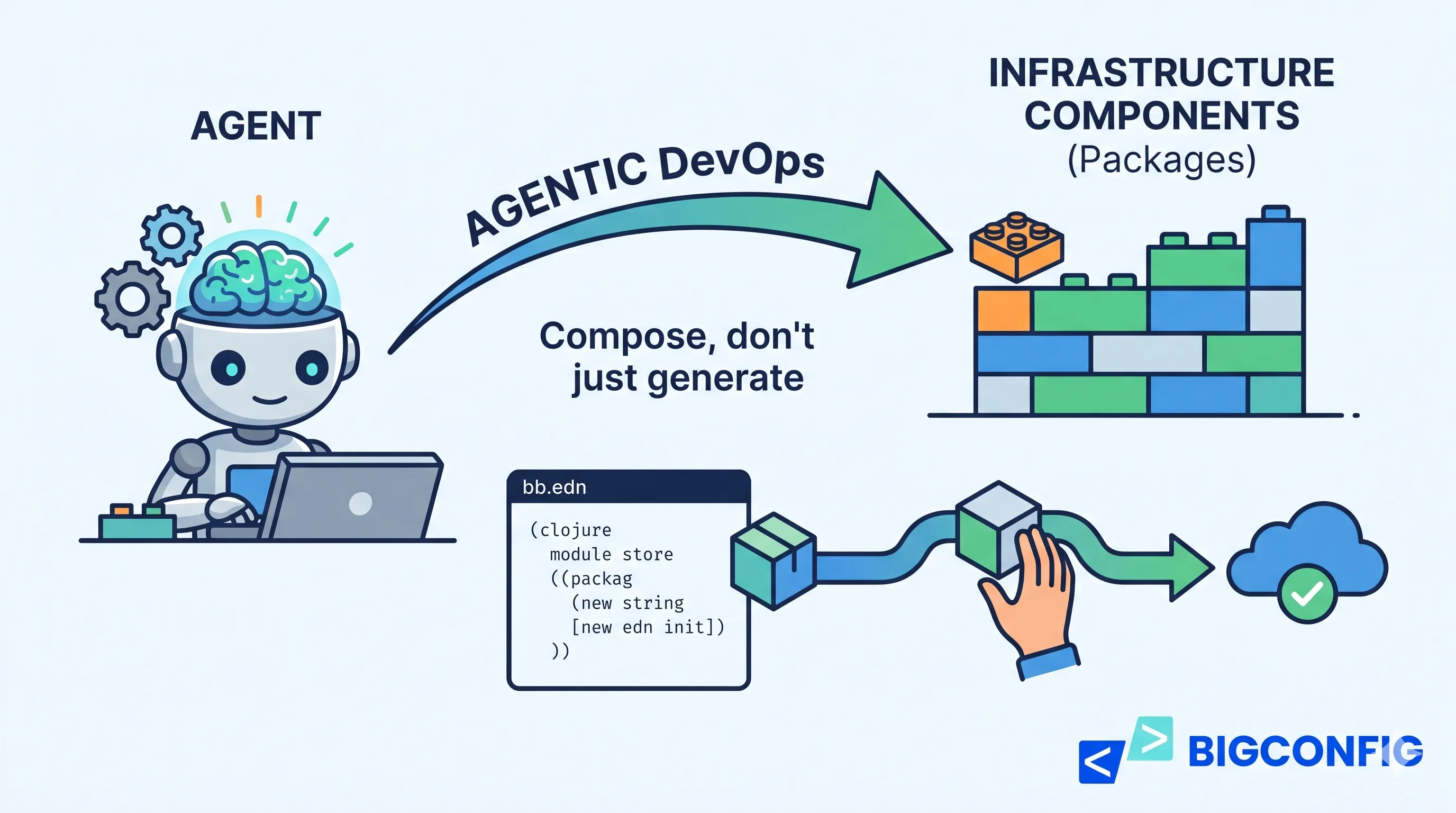
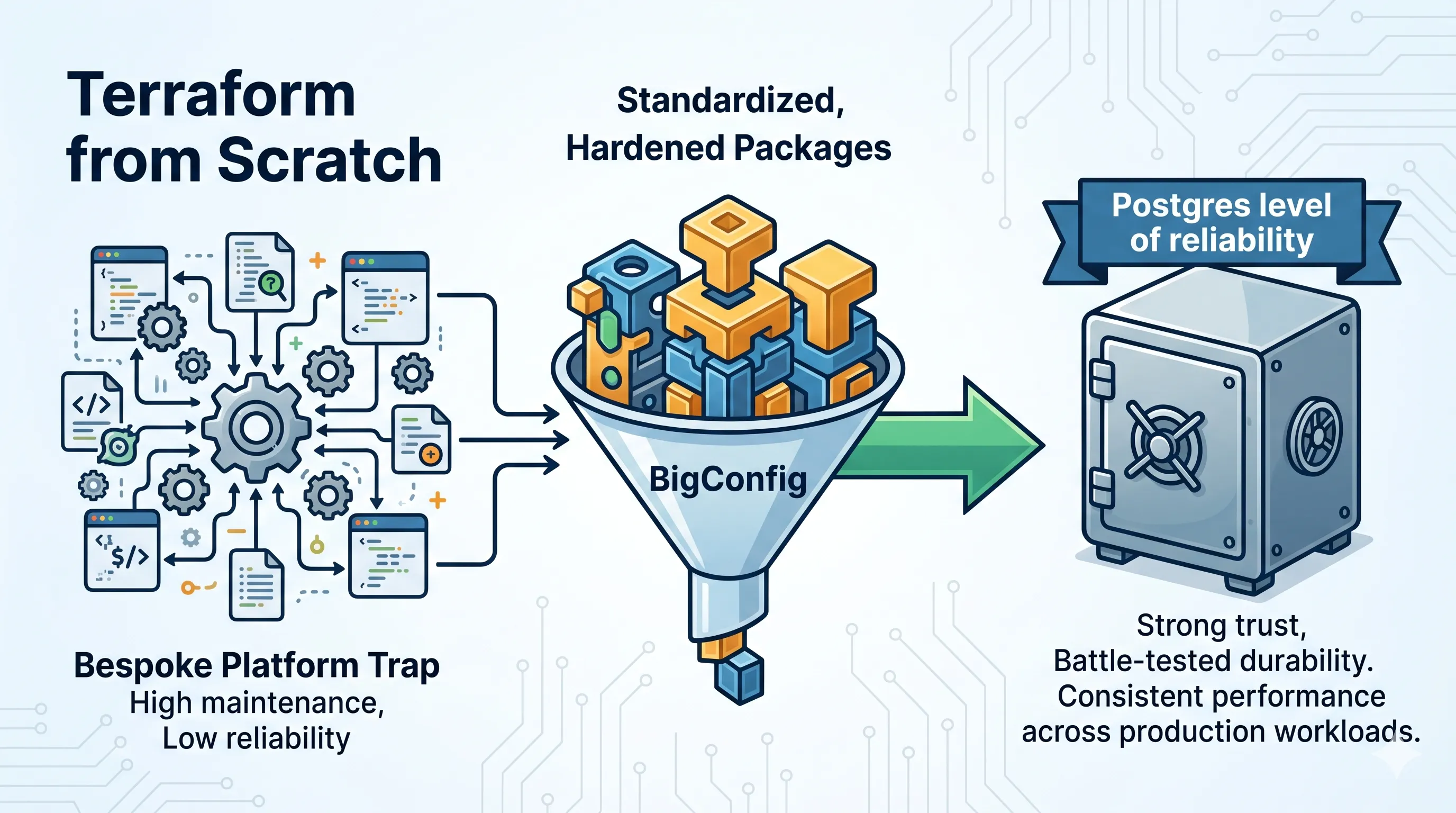
Why Agents Need an Infrastructure Package Manager

BigConfig as an infrastructure package manager for Agentic DevOps

Kief Morris at infrastructure-as-code.com nails it: having agents write reusable infrastructure code is far safer than letting them drive Terraform directly. But the ecosystem of composable components he envisions already exists—it’s called BigConfig.

In this reply, we explore how BigConfig’s package manager model gives agents exactly the high-level abstraction layer they need to go from “messy tourist” to reliable infrastructure composer.

Your GitHub Actions Workflow is a Waste of Time

Once

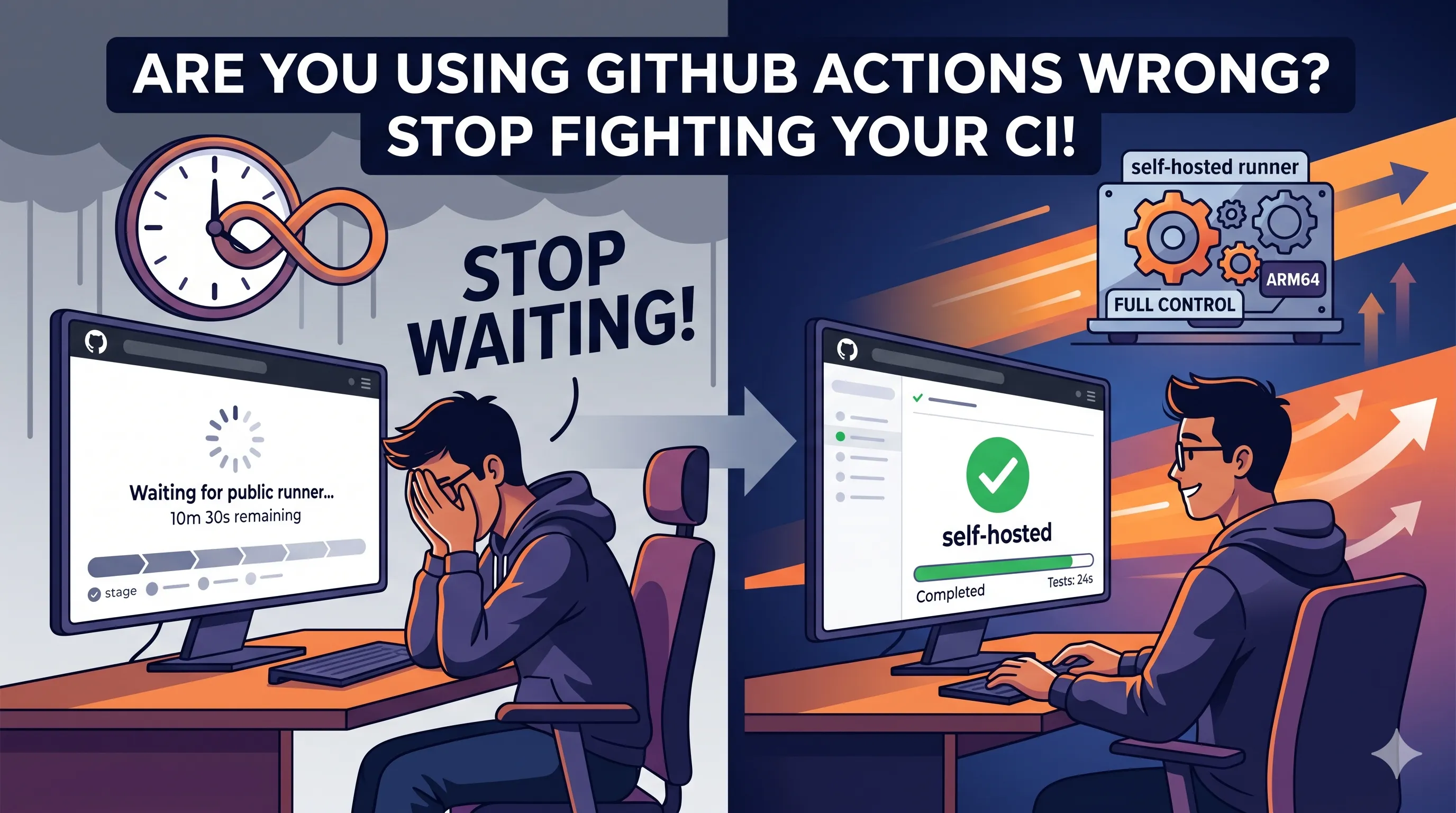
Stop treating your CI as a separate, fragile ecosystem that needs its own set of rules. Most developers waste hours debugging “it works on my machine” issues because their GitHub Actions workflows are trying to solve provisioning and caching problems that have already been solved in development. By shifting to self-hosted runners and leveraging environment managers like Devenv, you can achieve perfect parity between your local terminal and your CI, turning a complex YAML headache into a simple, lightning-fast 24-second feedback loop.

AI Speaks Terraform Like a Tourist

Once

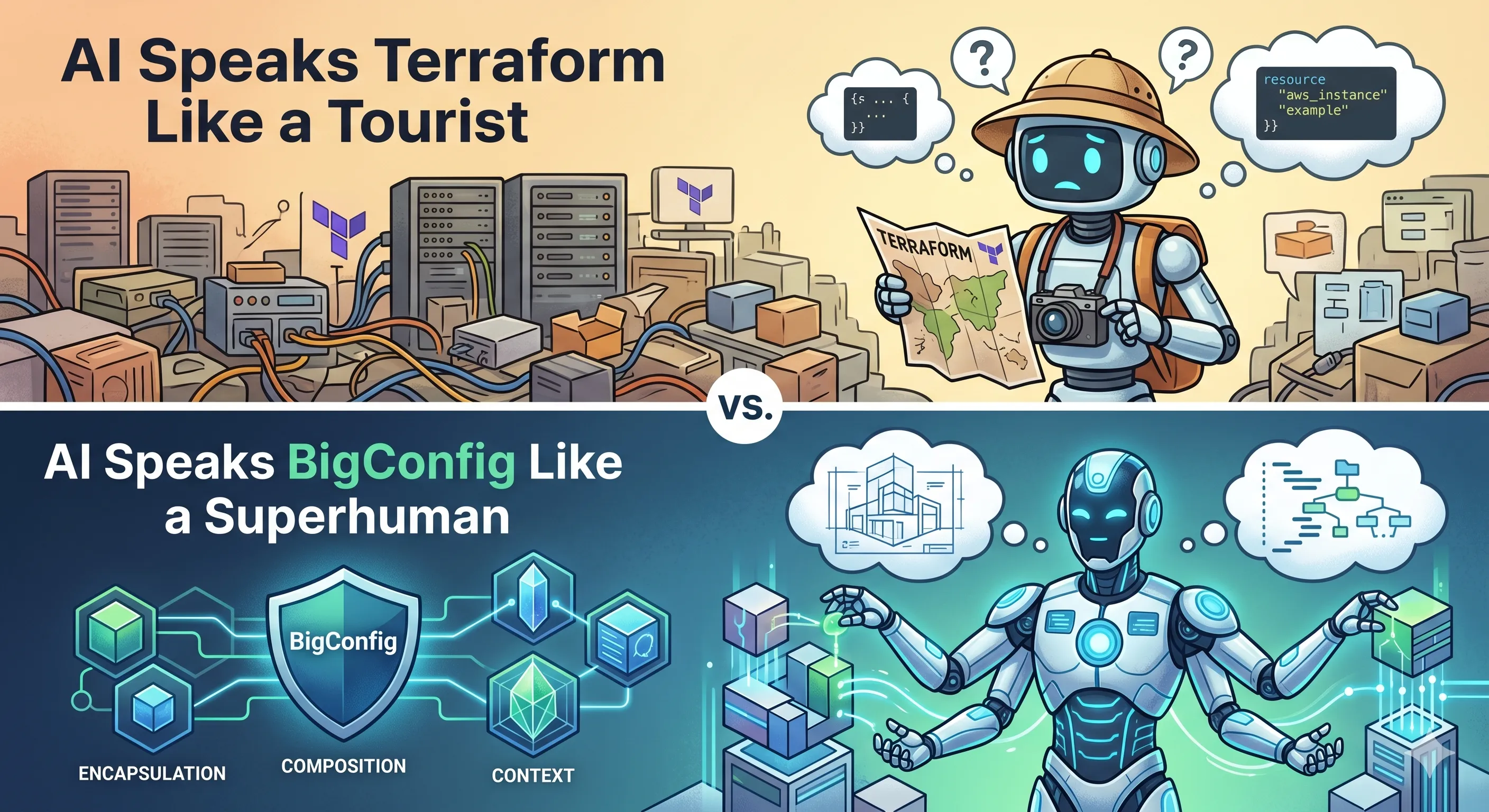
Is AI really just a “tourist” when it comes to Infrastructure as Code? While many DevOps practitioners find comfort in AI’s current struggles with complex Terraform repositories, this article argues we are misdiagnosing the problem. By comparing our current DevOps landscape to the “pre-React” era of web development, we explore why a lack of abstraction—not a lack of intelligence—is holding AI back. Discover why the shift toward high-level abstractions like BigConfig is turning AI from a fumbling tourist into a superhuman, and what this means for the future of your career.

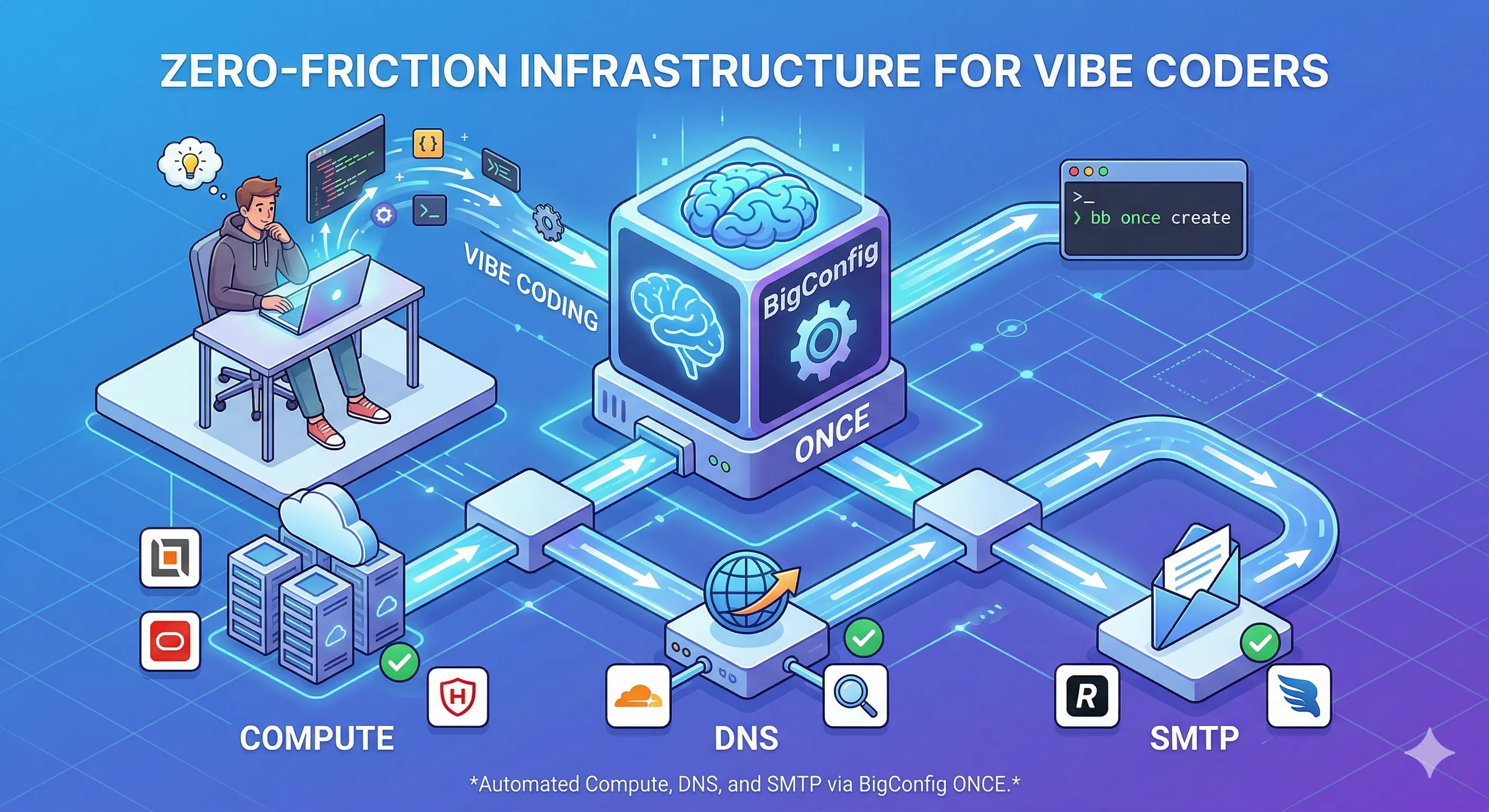
DevOps Without the Code: Infrastructure as Markdown

Once

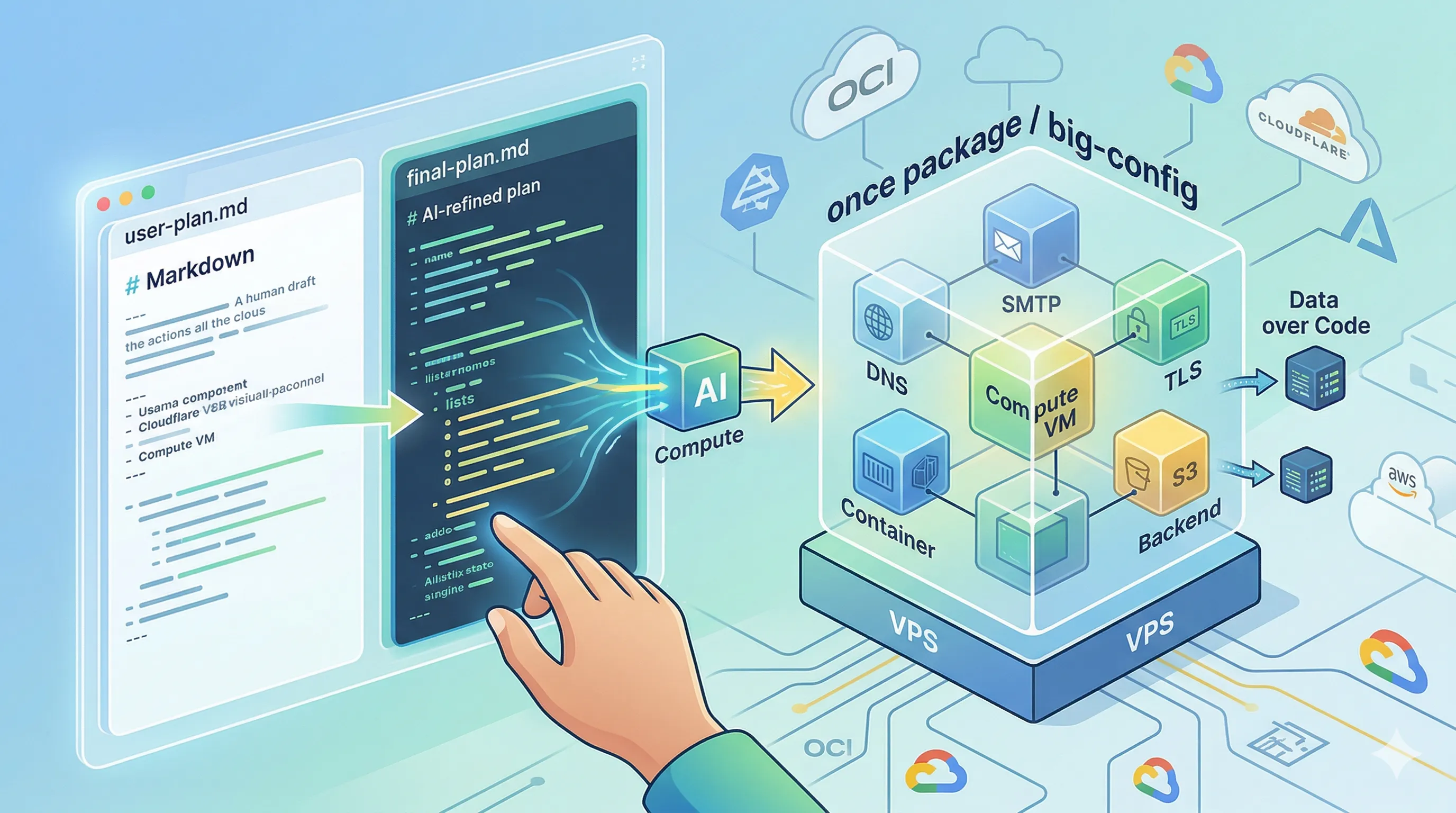
Can you build a professional-grade cloud platform without writing a single line of code? By leveraging BigConfig and AI, I created the blueprint of a full-stack infrastructure—complete with DNS, SMTP, and TLS—in just three minutes using nothing but Markdown and declarative data.

By treating infrastructure as “pure data” rather than complex scripts, BigConfig acts as the “React of DevOps,” encapsulating messy Terraform and Ansible logic into clean, reusable components. This post explores a hands-off workflow where a simple Markdown plan is transformed into a working blueprint, proving that with the right abstractions, non-technical users can manage non-trivial infrastructure as easily as filling in a configuration manifest.

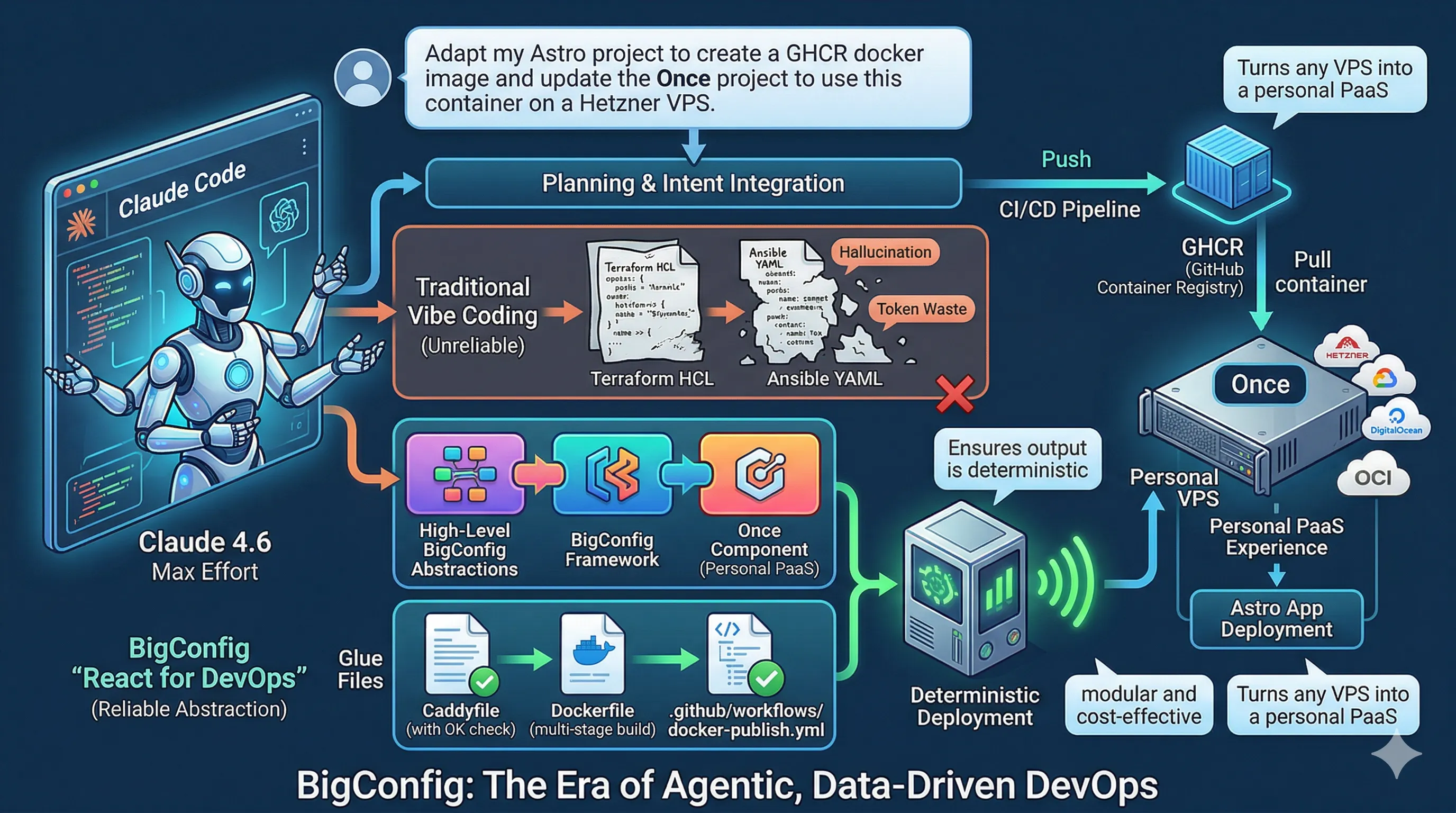
BigConfig: The "React" for Agentic DevOps

Once

Stop asking AI to write “assembly code” for your deployment. Writing 500-line Terraform files is brittle, verbose, and a recipe for hallucination. In this article, we explore a paradigm shift: Component-Based DevOps.

By using BigConfig and the “once” package, you can move away from manual scripting and toward a “React-style” architecture for infrastructure. Learn how to combine Claude Code with high-level abstractions to build your own personal PaaS on providers like Hetzner and OCI—achieving deterministic, zero-touch deployments without the DSL headache. It’s time to stop writing infrastructure and start composing it.

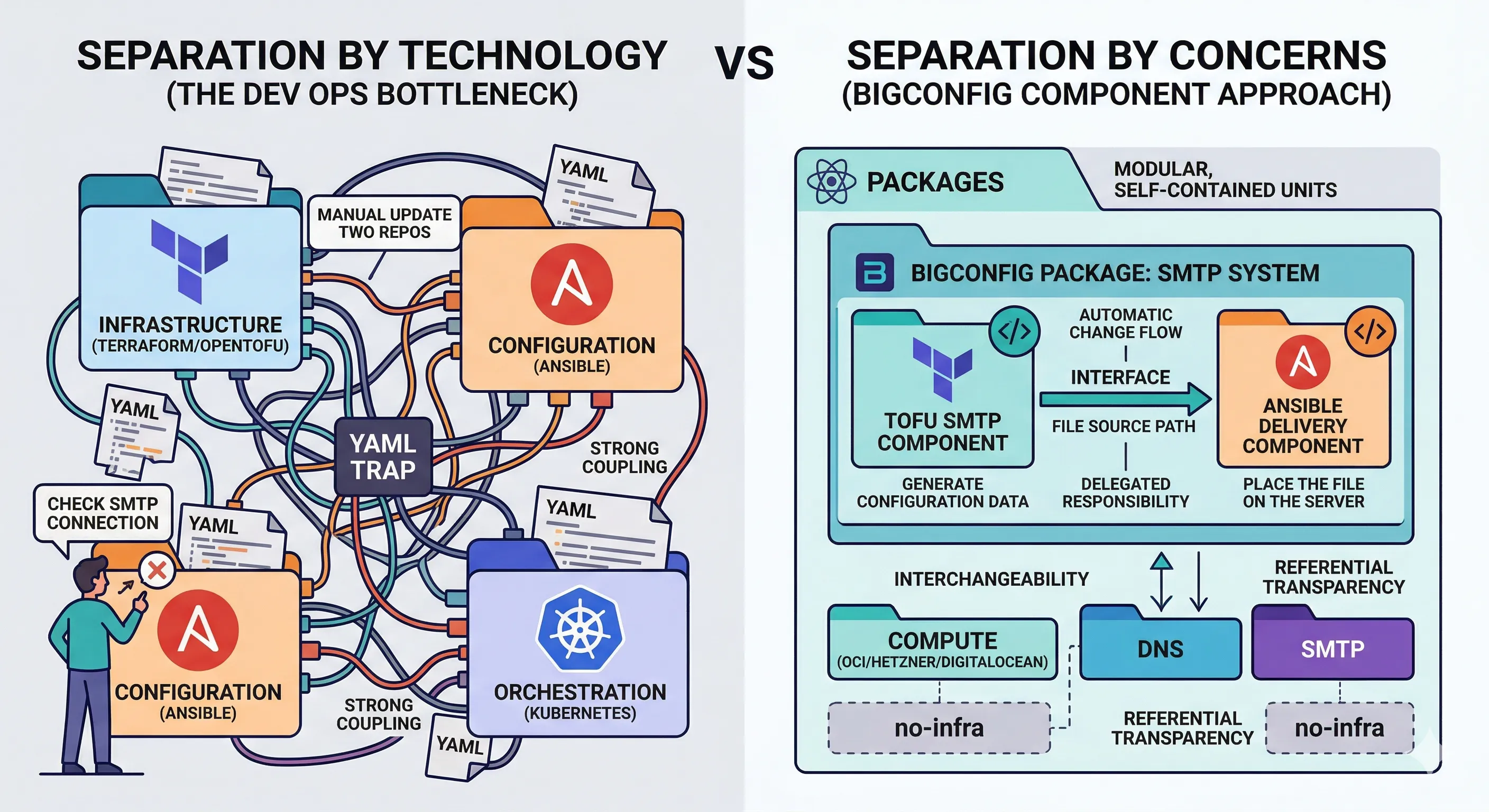
The Evolution of DevOps: From Separation by Technology to Separation by Concerns

Once

Drawing a parallel to the React revolution in frontend development, this article explores how shifting from Separation by Technology to Separation by Concerns can solve the modern infrastructure bottleneck. Learn how BigConfig uses a component-based approach to unify Kubernetes, Terraform, and Ansible, enabling modularity, interchangeability, and a “clean interface” for your entire stack.